WPC Doors: Advantages, Disadvantages and How to Choose a Reliable Supplier
2026-09-11
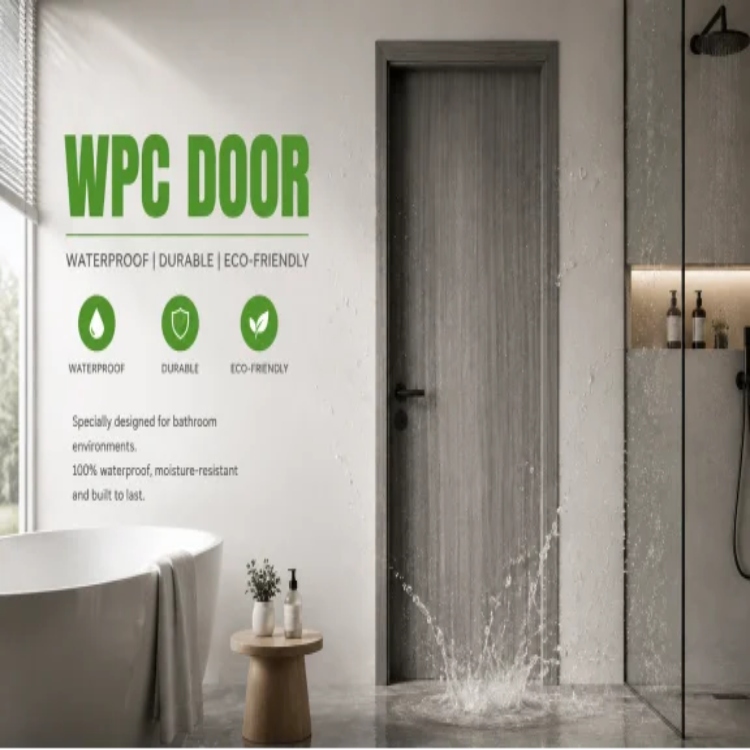
When choosing an interior door for bathrooms, apartments, hotels, or other humid spaces, many buyers consider WPC doors. WPC (Wood Plastic Composite) doors combine wood fibers and polymer materials to create a door product with a natural appearance and improved moisture resistance. However, different WPC door structures and production processes are designed for different applications. Before placing an order, buyers should understand the material, advantages, limitations, and supplier capabilities. What Are WPC Doors Made Of? Factories build WPC doors by blending wood powder with polymer materials. They rely on an extrusion or molding process. Makers then apply distinct colors and textures. This finish creates a highly realistic wood-like appearance. WPC doors hold their size far better than traditional wooden doors in damp spaces. They rarely soak up water. Consequently, they avoid expanding or cracking when local humidity shifts. Premium WPC doors mimic natural wood grain perfectly. Furthermore, they supply outstanding scratch resistance. What Are the Main Advantages of WPC Doors? Are WPC Doors Waterproof? WPC doors have strong water and moisture resistance, making them suitable for bathrooms, kitchens, apartments, hotels, and other indoor applications. The waterproof performance depends not only on the WPC material but also on the manufacturing process. A reliable WPC door should use proper edge sealing technology and a suitable WPC skeleton or structure to help keep the door edges protected from moisture. Can WPC Doors Resist Termites and Rot? WPC materials lack the organic food sources found in raw timber. Consequently, they fight off termites and rot far better than conventional wooden doors. This advantage makes them a highly practical choice for damp regions. For complete defense, however, you must view the system as one unit. Always evaluate the door leaf, frame, and your setup methods together. Do WPC Doors Need Much Maintenance?
Upkeep remains remarkably straightforward. Routine cleaning simply takes a soft rag alongside mild soap. Unlike natural wood, these panels avoid the endless hassle of regular repainting or oil treatments. Are WPC Doors Environmentally Friendly? WPC doors can be an environmentally responsible choice when manufacturers use qualified raw materials and controlled production processes. Unlike traditional wooden doors that rely entirely on natural timber, WPC doors combine wood powder with polymer materials to create durable interior door solutions. At Yingkang, WPC doors are produced using new raw materials rather than recycled waste materials. The main materials include PVC powder, wood powder, and plastic powder mixed according to controlled ratios. This helps maintain stable product quality, reduce material impurities, and ensure better performance during long-term use. However, the environmental performance of WPC doors depends on the actual materials and manufacturing standards used by each supplier. Buyers should check whether a factory uses new materials, controls raw material ratios, and follows strict production inspections instead of relying only on general “eco-friendly” marketing claims. What Are the Disadvantages of WPC Doors? Can WPC Doors Be Heavy? Final weight shifts based on internal structures and production tactics. WPC hollow doors act as robust interior panels. They offer a solidly heavy feel compared to lightweight plastic units. Indeed, certain WPC hollow door slabs exceed 40 kg. Consequently, purchasers must double-check hinge ratings, frame integrity, and mounting steps before buying. Are WPC Doors Suitable for Outdoor Use? Most WPC interior doors are designed for indoor applications. Direct exposure to strong sunlight, extreme heat, or outdoor weather may affect surface performance. Always select a product according to the intended application. Are WPC Doors Easy to Repair? Minor marks can usually be cleaned easily. However, deep surface damage may be more difficult to repair compared with solid wood because WPC panels have a composite structure. Where Can WPC Doors Be Used? According to different manufacturing processes, WPC doors can be used in different scenarios: - WPC hollow doors: suitable for bedrooms, bathrooms, apartments, hotels, and residential projects. - WPC skin/molded doors: suitable for customers looking for various designs and economical solutions. - WPC assembly doors: suitable for customized sizes and flexible installation requirements. How to Choose a Reliable WPC Door Manufacturer? Choosing a factory is as important as choosing the product. Buyers should check: - Whether the supplier has its own production facilities. - Whether the factory can provide stable quality for large orders. - Whether raw materials, production processes, and inspections are controlled. - Whether the supplier supports OEM/ODM customization. Yingkang Doors is a dedicated WPC door manufacturer. The plant has built WPC door lines for years. They supply WPC hollow doors, WPC skin doors, and WPC assembly doors. Buyers also get WPC door frames plus fittings. Their manufacturing setup delivers tailored sizes, colors, designs, and packing methods. With large-scale manufacturing capability, professional production equipment, and quality control procedures, Yingkangcan provide stable supply solutions for distributors, wholesalers, and engineering projects. Are WPC Doors Right for Your Project? WPC doors are a good choice when moisture resistance, stable performance, easy maintenance, and customized appearance are important. Before purchasing, consider the room environment, door structure, installation requirements, and supplier capability. A professional manufacturer can help you select the right WPC door type according to your market and project needs. FAQ Q1: Are WPC doors completely waterproof? A: They resist moisture very well. However, total water defense relies heavily on perfectly sealed edges. Frame build and setup skill matter too. Q2: What is the difference between WPC hollow doors and other plastic doors? A: WPC hollow doors blend wood and plastic. This exact mix makes them much stronger. They also stay flatter and look nicer than basic plastic models. Q3: Can WPC doors imitate natural wood? A: Yes. Today's WPC doors show lifelike wood grains. Furthermore, they fight off daily scratches better than normal painted panels. Q4: Can Yingkang provide customized WPC doors? A: Yes. Yingkang adapts dimensions, shades, and styles to fit your specific needs. They even tailor packing setups for diverse global markets. Q5: Why choose a factory instead of a trading company? A: Direct factory deals give you a clear view of output scales. You check quality firsthand. Also, shaping custom items and handling massive runs becomes much smoother. Q6: How can customers confirm supplier quality before ordering? A: Buyers should always ask for test pieces first. Reviewing the making steps helps. Finally, you must weigh raw material grades prior to signing big contracts.
.jpg)