English 中文
faq

How Long Do WPC Doors Last? Lifespan and Failure Factors

2026-09-18
 
A WPC door will usually last about 15 to 25 years. This happens if the material, frame, setup, and room environment all line up properly. Put one in a dry bedroom, and it might perform nicely for decades. However, put that same door in a damp bathroom with loose hinges and water on the floor, and you will see problems fast.
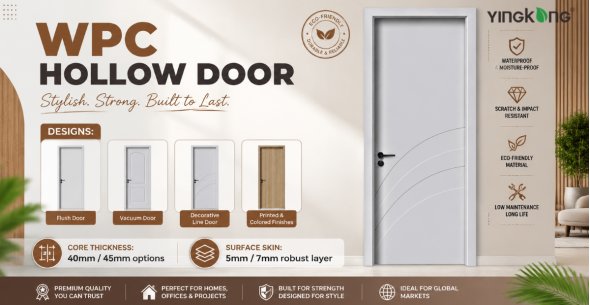
The useful question is not only how long do WPC doors last. You also have to look at what triggers early breakdowns and which parts of the setup you can actually control.


What Is the Typical WPC Door Lifespan?

A wood plastic composite door mixes wood fibers with polymers. This blend creates a dense, solid-feeling panel. It absorbs very little water. It stays straight and fights off bugs effectively. A lot of models feature a hollow core inside. That drops the overall weight. Still, the panel remains highly practical for everyday indoor tasks.

Expected Service Life in Different Conditions

When you use them inside normally, expecting a WPC door lifespan of 15 to 25 years is a very realistic planning range. A properly built unit hanging in a dry living room might easily beat that number. Bathroom doors have a tougher job. They deal with hot steam, water splashes, and harsh cleaning routines. Because of this, their survival relies heavily on protected edges and good airflow.
Taking these doors outside requires extra caution. Direct sun, heavy rain, freezing weather, and sudden temperature shifts wear down the surface and hardware rapidly. Any exterior application absolutely needs a suitable finish. The joints must be covered, and the whole design has to be rated for outside exposure.

Why WPC Doors Often Outlast Ordinary Wood Doors

WPC doors simply do not soak up moisture the way untreated wood does. They also naturally block termites and common wood-boring bugs. This matters significantly in warm and humid regions. You can wipe the surface clean with less effort. Plus, the panel is less likely to rot after occasional water splashes.
That does not mean every WPC door is indestructible. The metal hinges, screws, frame, coating, and the installation job still decide how the door behaves after thousands of openings.

Which WPC Door Failure Factors Matter Most?

Breakdowns rarely start right in the middle of the panel. Instead, most failures kick off at a weak detail. Just a small gap at the lower edge can let water creep in repeatedly. A frame that sits slightly crooked keeps pressure on the hinges every single day.

Moisture and Poor Ventilation

Water resistance is a major reason buyers choose waterproof WPC doors. Even so, constant wetting will affect edge joints, adhesive layers, and metal hardware. If it is in a bathroom, turn on your exhaust fan. Wipe up any standing water. Keep the bottom edge far away from direct puddles.

Heat, Sunlight, and Thermal Expansion

The polymer content blocks moisture nicely, but heat still makes the material expand and contract. A door installed too tightly will rub against the frame during hot weather. Strong sunlight can also fade or bake a surface film over time. Always leave the correct installation clearance. Avoid placing an indoor-grade door in an exposed outdoor opening.

Hardware and Frame Problems

Hanging a heavy panel on undersized hinges may cause sagging. If the screws come loose, they enlarge their holes. This makes the door scrape or fail to close properly.
A weak frame triggers similar symptoms, even when the panel itself remains perfectly sound. Choose corrosion-resistant hardware for humid rooms. Double-check all hinge screws right after installation. Adjust the door the second you notice rubbing.

Impact and Rough Daily Use

WPC doors handle normal household use very well. However, repeated slamming, dragging heavy furniture, or drilling in the wrong spots can damage the skin or internal structure. Hollow WPC doors save weight. Yet, they still need careful handling around the locks and hinge positions.

Low-Quality Surface Finishes

Peeling, bubbling, and color changes usually come from an unstable film. It could also mean poor bonding or insufficient curing at the factory. Inspect the face, corners, and cutouts thoroughly before installation. A perfectly smooth center section means little if the edges are left exposed.

How Can You Extend WPC Door Durability?

Good maintenance is quite simple. It mostly comes down to keeping water away from vulnerable points. You just need to correct small faults before they turn into major structural problems.

Use Gentle Cleaning Methods

Grab a soft cloth mixed with mild soap and water. Stay away from abrasive scrubbing pads, strong solvents, and chlorine-heavy cleaners unless the supplier explicitly approves them. After you finish washing, dry the lower edge, lock area, and frame completely.

Check Edges, Hinges, and Locks

Give your doors a quick inspection every few months. Watch out for swelling, open joints, loose screws, rust, or new scraping sounds. Tighten your hardware early. Swap out a damaged seal before moisture reaches the core or the frame.

Keep the Door Properly Aligned

A door dragging on the floor is carrying a warning. Adjust the hinges. Confirm the frame remains entirely square. Check that the latch enters the strike plate without you applying extra force. Small alignment work can add years to your WPC doors durability.

Match the Product to the Room

Are you working on bathrooms, kitchens, laundry rooms, or coastal homes? Make sure you specify moisture-resistant construction. Demand corrosion-resistant hardware. For outdoor projects, ask for a finish and internal structure designed specifically for UV exposure and temperature changes.

When Should You Replace a WPC Door?

Cosmetic marks alone do not always mean you need a replacement. A professional repair can solve light scratches, loose hardware, or minor seal damage easily.
Replacement becomes sensible when the panel shows deep cracks, persistent warping, or failed joints. Massive surface separation or lock-side damage that refuses to hold screws are also bad signs. If the surrounding frame has shifted due to building movement or heavy water damage, replacing just the panel might not solve the problem at all.
A practical inspection looks at four distinct points: panel flatness, edge condition, frame alignment, and hardware strength. If two or more have serious defects, compare the repair cost directly with buying a new door.
 

How Can a Supplier Improve WPC Door Service Life?

Material selection matters immensely, but repeatable production matters just as much. YingKang supplies WPC door products for many different interior applications. They provide hollow door formats alongside matching frame solutions. Its product range can be reviewed through the WPC door products.
The company focuses heavily on moisture-resistant panels, consistent surface finishing, and made-to-order dimensions. That helps significantly when a project needs unusual sizes, special colors, grooves, or custom hardware preparation. Production checks cover the panel appearance, exact sizing, and fitting details right before shipment. This reduces nasty installation surprises.
For buyers comparing suppliers, always ask for physical samples. Request edge-treatment details, hardware specifications, and clear installation guidance. YingKang’s broader door manufacturing information gives useful context. Still, your final decision should follow the actual room conditions, opening size, and expected foot traffic.

FAQ

Q1: How long do WPC doors last in a bathroom?
A: A quality WPC bathroom door can last 15 to 20 years or longer. It just needs proper ventilation, tightly sealed edges, and corrosion-resistant hardware.

Q2: Do WPC doors swell after prolonged water exposure?
A: The panel resists swelling far better than ordinary wood. However, continuous water exposure can slowly damage the edges, joints, coatings, and frames.

Q3: Are WPC doors suitable for outdoor use?
A: Some models are. But you absolutely need an exterior-rated design featuring UV-resistant finishing, correct clearance, protected hardware, and suitable installation.

Q4: What are the main WPC door failure factors?
A: The most common factors involve poor installation, moisture sneaking into exposed edges, and heat movement. Weak hardware, hard impacts, and low-quality surface bonding also play big roles.

Q5: How can you maintain WPC doors?
A: Clean them with mild soap and immediately dry wet areas. Inspect the hinges and edges periodically. Tighten loose screws fast and correct rubbing or alignment problems early.


Share:
Copyright © 2020 Yingkang All rights reserved.
Technical Support: Coverweb
WhatsApp: +86 18737185148